

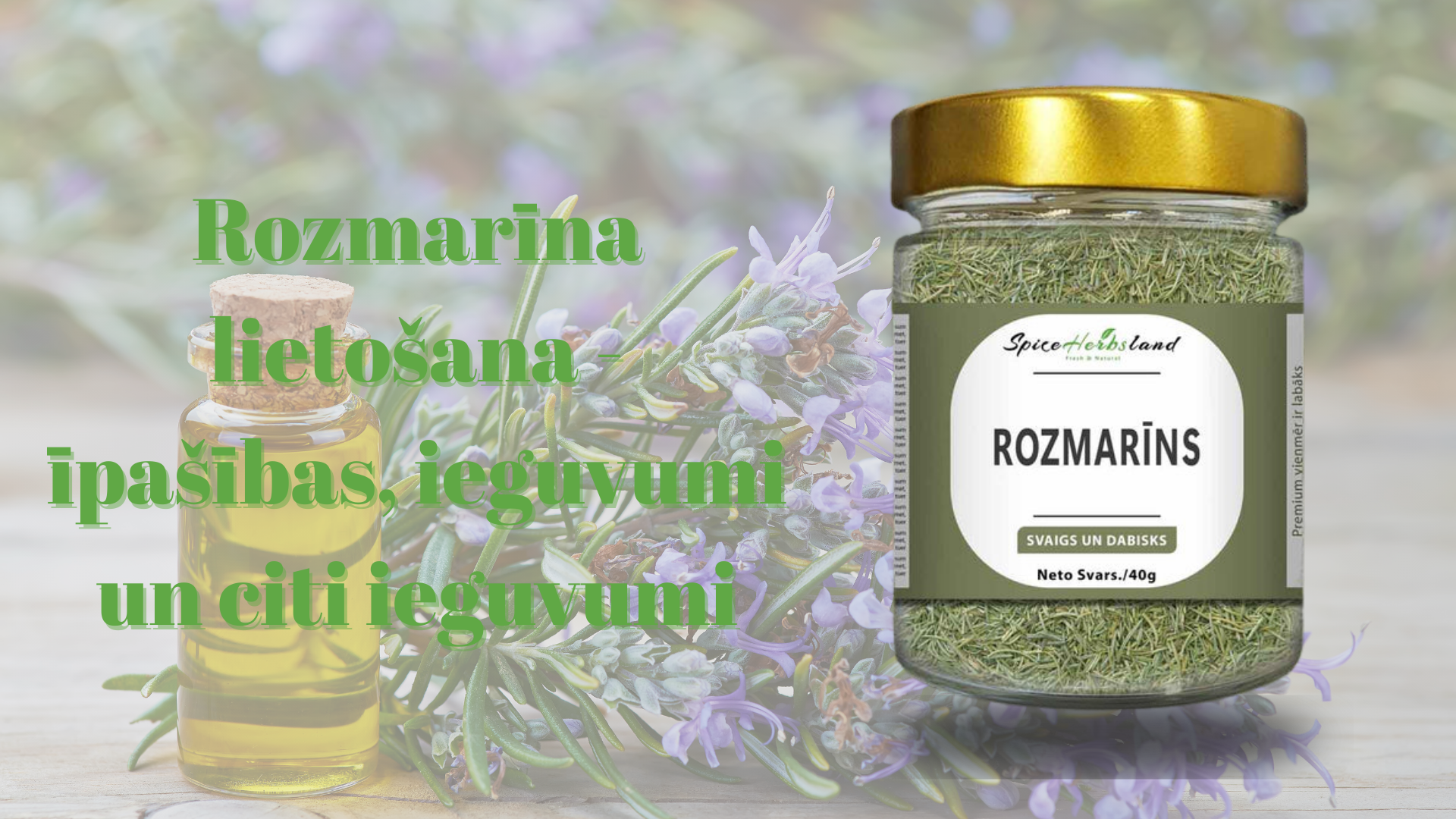
Rosemary use - properties, benefits and other uses
Rosemary is an aromatic Mediterranean herb with a rich history and distinct character. For centuries, it has been an integral ingredient in both cuisine and natural wellness practices. Its strong aroma and slightly bitter taste make rosemary easily recognizable and popular worldwide.
Today, rosemary is no longer just a spice. It is widely used in dishes, teas, oils, and aromatherapy. Many choose rosemary for health, as it naturally complements daily routines and a balanced lifestyle.
Rosemary's properties are associated with natural antioxidants and active compounds, including rosmarinic acid. It is these compounds that make rosemary highly valued not only in culinary applications but also for everyday well-being. Rosemary tea and rosemary oil are particularly popular.
Spice Herbs Land offers high-quality rosemary, suitable for both everyday cooking and natural home use. We focus on pure, carefully selected spices to ensure you receive true aroma and flavor without compromise.
In this article, you will learn what rosemary is and how to use it correctly. We will cover rosemary's benefits, practical uses, and important safety aspects. Everything is clear, understandable, and suitable for daily life.
1. What is rosemary?

Rosemary is a perennial, aromatic herb with a strong scent and characteristic taste, belonging to the mint family. Its origin can be traced back to the Mediterranean region, where rosemary naturally grows in sunny and warm climates. For centuries, it has been an integral part of Mediterranean cuisine and is used both fresh and dried. Today, rosemary is particularly popular as it combines culinary value, natural aroma, and versatile everyday use.
2. Botanical description and active compounds of rosemary
Rosemary is an evergreen, shrub-like plant with narrow, needle-like leaves and a strong aroma. Its leaves are dark green on top and lighter underneath, which helps the plant adapt to warm and dry climates. The leaves are where the main compounds that determine rosemary's properties and value are concentrated.
Active compounds in rosemary:
- rosmarinic acid
- carnosic acid
- carnosol
- essential oils
- flavonoids
- phenolic compounds
These natural compounds are important because they give rosemary its characteristic aroma and provide antioxidant and protective properties, which are valued in both culinary applications and everyday well-being.
3. Rosemary aroma and flavor profile

Rosemary has a distinct, fresh, and slightly resinous aroma with a hint of bitterness. Its taste is strong, warm, and slightly peppery, allowing rosemary to enhance the character of a dish even in small amounts. This intensity makes rosemary a popular spice in meat, potato, and vegetable dishes.
Fresh rosemary offers a brighter and fresher aroma, while dried rosemary is more concentrated and pronounced. During cooking, rosemary's aroma deeply infuses the food, giving it a richer flavor and harmony.
4. Rosemary in cooking - how and where to use it

Rosemary is a versatile spice that gives dishes a distinctive aroma and rich flavor when used correctly and in moderation.
4.1 Rosemary as a spice in everyday dishes
Rosemary is highly valued in the kitchen for its strong aroma and lasting flavor. It is most commonly used in meat dishes, especially lamb, chicken, and beef. Rosemary also pairs wonderfully with potatoes, roasted vegetables, and legumes, giving the food a warm and distinctive character.
4.2 Fresh or dried rosemary - which to choose
Fresh rosemary offers a milder and livelier aroma, which works well in lighter dishes and marinades. Dried rosemary is more concentrated, so it is used in smaller quantities, especially in slow-cooked dishes. Both forms are suitable for various culinary purposes.
4.3 Rosemary in marinades, oils, and sauces
Rosemary is often added to marinades for meat and vegetables. It pairs wonderfully with olive oil, garlic, and lemon. Rosemary oil is also popular in making sauces and salads, where it adds a distinct aroma.
4.4 Practical tips for correct use
For rosemary to yield the best results in the kitchen, proper use is essential. Its strong aroma can either enhance a dish or overpower it if used incorrectly. Below are practical tips to help achieve a balanced flavor.
- Before use, chop or crush rosemary leaves to release their aroma.
- Use a small amount, as rosemary's flavor is very intense.
- Add fresh rosemary at the end of cooking to preserve the aroma.
- Add dried rosemary at the beginning of cooking to allow its flavors to develop.
- Remove the woody stem, as it is not suitable for eating.
- Pairs well with olive oil, garlic, lemon, and thyme.
- Suitable for long baking and stewing, as it does not lose flavor.
Used correctly, rosemary not only improves the taste of food but also helps balance other ingredients. It adds depth and a distinctive aroma to dishes without being overly dominant.
5. Rosemary tea - benefits and preparation

Rosemary tea is an aromatic, caffeine-free drink made from fresh or dried leaves. It is often drunk after meals because it is light and warming. The tea is simple to prepare, allowing rosemary to infuse in hot water for a few minutes. It fits perfectly into a daily routine and provides a pleasant aroma without sweeteners or excess caffeine or stimulants.
5.1 Benefits of rosemary tea
- Supports digestion after meals
- Helps improve concentration and clearer thinking
- Provides natural antioxidants
- May promote overall well-being
- Provides a warming and calming effect
- Suitable as a caffeine-free drink
5.2 How to properly prepare rosemary tea
- Use 1 teaspoon of fresh or dried rosemary
- Pour hot, but not boiling, water over it
- Allow to steep for 5–10 minutes
- Strain before drinking
- Drink warm, preferably without sweeteners
It is recommended to drink rosemary tea 1-2 times a day. It is important to observe moderation and incorporate it into a balanced daily lifestyle.
6. Rosemary for health - what experience and research say
Studies show that rosemary can positively affect digestion by stimulating bile production and helping to reduce the feeling of heaviness after meals. In traditional herbal practice, the use of rosemary for digestion is widespread, and observations suggest that regular, moderate use can help alleviate bloating and discomfort.
Rosemary's effect on memory and concentration is particularly interesting. One study observed that the aroma of rosemary can improve memory performance by up to 15% compared to a neutral environment. Active compounds such as rosmarinic acid and carnosol are specifically linked to improved cognitive function and mental clarity.
Rosemary is also rich in antioxidants and anti-inflammatory compounds. Laboratory studies suggest that rosemary extracts can reduce oxidative stress markers by 20–30%, which is significant for cell protection. Due to these properties, rosemary is valued as a natural support for overall health and well-being.
Resources:
- Medical News Today: Rosemary: Health benefits, precautions, and drug interactions
- PMC: Cognition enhancing effect of rosemary (Rosmarinus)
- Eman Research: Anti-inflammatory and Antioxidant Activity of Rosemary EO
- Healthline: Rosemary essential oil benefits for memory and inflammation
7. Rosemary oil and aromatherapy

Rosemary oil is a concentrated plant extract obtained from rosemary leaves and flowers. It has a fresh, herbaceous aroma and a high concentration of active compounds. Spice Herbs Land offers high-quality essential oils, suitable for everyday well-being and aromatherapy.
In aromatherapy, rosemary oil is used to promote alertness and improve concentration. It is often added to diffusers or used for short-term inhalation. This aroma helps reduce mental fatigue and promotes clearer thinking.
In skin and hair care, rosemary oil is only used diluted. It is popular in scalp massages and hair care rituals. Spice Herbs Land also offers other essential oils suitable for skin care, relaxation, and general well-being.
8. Rosemary safety and potential side effects
Although rosemary is generally safe for everyday use, it is important to observe moderation and consider individual differences. Special caution is needed if rosemary is used in concentrated form, such as in tea or essential oil.
8.1 Who should be cautious
- Pregnant and breastfeeding women
- People with increased sensitivity to herbs
- Individuals with chronic digestive or liver problems
- Children, especially when using essential oils
8.2 Rosemary and drug interactions
- May affect the action of blood pressure medications
- Possible interaction with blood-thinning medications
- Not recommended to combine with stimulants in large quantities
8.3 Possible side effects
- Stomach irritation or nausea
- Headaches in cases of excessive use
- Skin irritation if the oil is not diluted
- Dizziness in sensitive individuals
8.4 Correct dosage
- Use in small amounts daily
- Drink rosemary tea no more than 1-2 times a day
- Always dilute essential oil with a carrier oil
- If discomfort occurs, discontinue use
Used correctly, rosemary offers benefits, but safety always comes first.
9. Frequently asked questions about rosemary (FAQ)
Can rosemary be used daily?
Yes, rosemary can be used daily in small amounts as a spice or tea. It is important to use it in moderation, as rosemary's flavor and active ingredients are concentrated.
Is rosemary tea suitable for everyone?
Rosemary tea is safe for most people. However, pregnant women, breastfeeding mothers, and individuals with chronic health conditions should consult a specialist.
How much rosemary is too much?
Usually, a small pinch in meals or 1-2 cups of tea per day is sufficient. Excessive consumption can cause stomach irritation or discomfort.
How often to water rosemary?
Rosemary needs moderate watering. The plant does not tolerate excessive moisture, so the soil should be allowed to dry out slightly between waterings.
Is rosemary winter hardy?
Rosemary is not fully winter hardy in cold climates. In Latvia, it is recommended to grow it in pots and keep it indoors during winter or protect it from frost.
10. In conclusion
Rosemary is a versatile and aromatic herb suitable for both cooking and everyday well-being. It combines a distinct flavor, natural aroma, and wide range of uses.
Beginners are advised to start with small amounts in dishes or as tea. Choose quality rosemary, store it correctly, and use it in moderation. Rosemary can be easily incorporated into your diet by adding it to daily meals, teas, or as part of a balanced lifestyle.
Choose high-quality rosemary spices and oils you can trust. Visit Spice Herbs Land, discover pure, carefully selected spices and natural products, and elevate your daily cooking and well-being to a new level today.


