

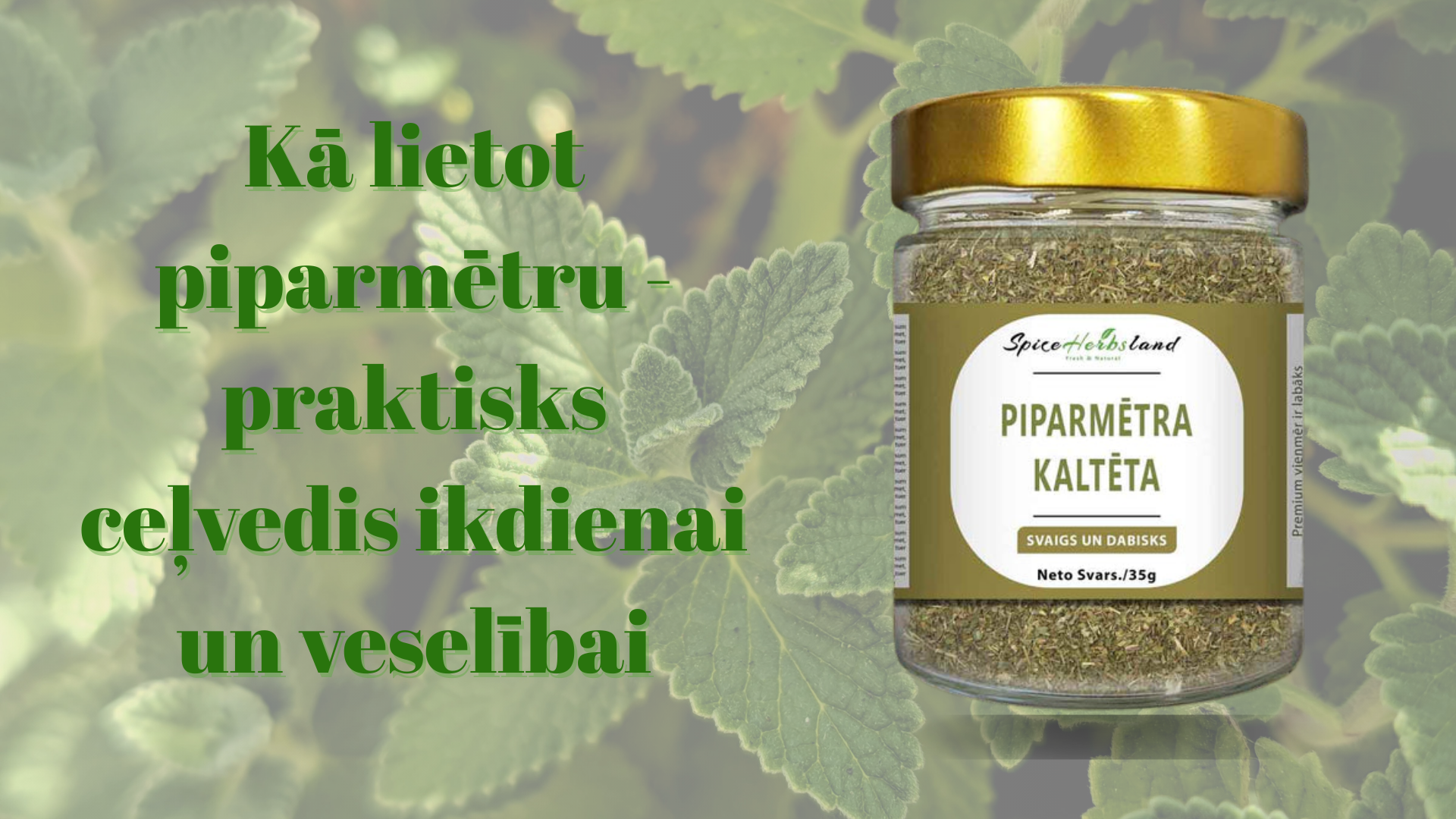
How to Use Peppermint - A Practical Guide for Everyday Life and Health
Peppermint is an aromatic and versatile plant that people have used for centuries. It is known both as a refreshing herb and as a natural remedy for well-being. The uses of peppermint are extensive - from tea and food to aromatherapy and daily health rituals. That's why many people are looking for a clear answer on how to use peppermint correctly and safely. In this guide, you will learn about the use of peppermint in everyday life, when to choose tea or oil, how much peppermint to use, and what to pay attention to so that peppermint provides maximum benefits without risks.
1. What is Peppermint

Peppermint is an aromatic medicinal herb, obtained by crossing watermint and spearmint. It stands out with a strong, fresh aroma and refreshing taste, making peppermint a popular choice both in the kitchen and for health purposes. Peppermint is highly valued for its natural effects, especially for supporting daily well-being.
The effect of peppermint is based on menthol - an active substance that creates a cooling sensation and helps relax muscles. It is menthol that gives peppermint the ability to freshen breath, promote digestion, and create a pleasant feeling of relief.
Traditionally, peppermint was used in teas, infusions, and natural remedies, while today peppermint is also used in foods, beverages, aromatherapy, and even cosmetics.
2. How to Use Peppermint Daily - Main Methods

Using peppermint daily can be simple and very versatile. Depending on the situation and needs, peppermint can be used fresh, dried, or processed. Each form has its advantages, so it's important to understand how to use peppermint correctly to get maximum benefits both in terms of taste and health. Peppermint fits perfectly into daily life, both in the diet and in well-being rituals, and Spice Herbs Land offers quality peppermint products that make it easy to choose the most suitable option for daily use.
2.1 Fresh Peppermint - When and How to Use It
Fresh peppermint is ideal if you want a light, refreshing effect. It perfectly complements salads, cold drinks, fruit-infused water, and various desserts. Fresh peppermint leaves add a natural aroma to dishes without excessive intensity.
Fresh peppermint works most effectively when used immediately after harvesting. At this point, it contains the most essential compounds that provide a pleasant taste and refreshing sensation. For daily use, a small amount is sufficient to avoid overpowering the taste.
2.2 Dried Peppermint - A Practical Choice for Everyday Use
Dried peppermint is a convenient and long-lasting alternative to fresh leaves. It retains most of its aroma and is easy to dose, making it a practical choice for everyday use.
To maintain the quality of dried peppermint, it should be stored in an airtight container in a dry, dark place. Dried peppermint is most often used for tea, but it also works well in dishes, sauces, and spice blends where a more pronounced peppermint note is desired.
3. How to Use Peppermint Tea

Peppermint tea is one of the simplest and most popular ways to use peppermint daily. It is light, aromatic, and suitable for both everyday well-being and relieving specific discomforts. Properly prepared peppermint tea retains its active ingredients and provides a pleasant, natural effect.
3.1 Preparing Peppermint Tea
Preparing peppermint tea does not require special skills, but a few nuances affect both its taste and effect.
Step by step:
- Choose fresh or dried peppermint.
- Pour hot water over 1 teaspoon of dried or 5-7 fresh leaves.
- Let steep for 5-10 minutes.
- Strain and drink warm.
Fresh vs dried peppermint:
- Fresh peppermint provides a milder, more refreshing taste.
- Dried peppermint provides a more pronounced aroma and intense effect.
- Regardless of your choice, preparing peppermint tea is quick and customizable to your personal taste.
Regardless of your choice, preparing peppermint tea is quick and simple, and it can be adapted to your personal taste.
⚠️ Important: When using peppermint with essential oils, such as in aromatherapy, peppermint oil should always be diluted with carrier oils, such as jojoba oil or almond oil, to ensure safe use.
3.2 Peppermint Tea for Digestion and Well-being
Peppermint tea for digestion is especially popular after meals. It is recommended to drink it after a heavy meal or when feeling full. Peppermint tea helps relax the digestive tract and promotes comfort.
It can also be useful for general well-being, as peppermint has a calming and balancing effect. Many choose it in the evenings to relax after a stressful day.
3.3 How Long and How Often to Drink Peppermint Tea
The question often arises of how long to drink peppermint tea and whether peppermint can be used every day. For most people, peppermint tea can be drunk 1-2 times a day without problems. Daily use is permissible if a reasonable amount is not exceeded.
If peppermint tea is used for a long time or in large quantities, it is advisable to observe the body's reaction and, if necessary, take breaks. This helps maintain the positive effects of peppermint in the long term.
4. How to Use Peppermint Essential Oil Safely

Peppermint essential oil is a concentrated product with a powerful effect, so its use requires special attention. Unlike tea or fresh leaves, peppermint oil should not be used carelessly. Used correctly, it can provide quick relief and a refreshing effect, but improper use can cause irritation. Therefore, it is important to know how to use peppermint oil safely and responsibly.
4.1 Peppermint Oil in Aromatherapy
Peppermint oil is used in aromatherapy to improve concentration, refresh the mind, and ease breathing. A few drops in a diffuser or steam inhalation help create clean, crisp air and provide an immediate feeling of freshness.
In aromatherapy, peppermint oil is especially useful in moments of fatigue or situations where mental clarity is needed. In this way, the use of peppermint essential oil is one of the safest and most widely applied methods.
4.2 Peppermint Oil for Headaches and Tension
Peppermint oil for headaches is often used topically. Diluted oil can be gently massaged into the temples or neck to relieve tension. The cooling effect of menthol helps relax muscles and creates a feeling of relief.
It is important to remember that peppermint oil should never be applied undiluted to the skin, as it can cause irritation or a burning sensation.
4.3 Dilution of Peppermint Oil and Common Mistakes
Dilution of peppermint oil is a crucial condition for safe use. Usually, 1-2 drops of essential oil per teaspoon of carrier oil, such as jojoba or almond oil, is sufficient.
Common mistakes in using peppermint oil:
- applying directly to the skin without dilution.
- excessive number of drops.
- internal use of oil without specialist advice.
By following these basic principles, safe use of peppermint oil becomes an effective and pleasant daily aid.
5. Peppermint for Various Health Needs

Peppermint is valued as a versatile natural remedy that can be adapted to various daily health needs. Depending on the method of use, it can provide both quick relief and long-term well-being support.
-
Peppermint for digestion: peppermint helps reduce bloating and discomfort after eating. It is most often used as peppermint tea after meals. To enhance the effect, peppermint tea for digestion pairs well with fennel seeds or fennel tea, traditionally used for stomach comfort.
-
Peppermint for bloating: peppermint helps relax smooth muscles, which helps reduce the feeling of pressure in the stomach. In such cases, peppermint tea can also be combined with chamomile tea, which provides an additional calming effect on the digestive system.
-
Peppermint for headaches: diluted peppermint oil can help relieve tension headaches, creating a cooling and relaxing effect, especially on the temples and neck area.
-
Peppermint for stress and fatigue: peppermint aroma helps calm the mind and improve emotional balance on stressful days. Here, aromatherapy or warm tea in the evenings is particularly useful.
-
Peppermint for breath freshening: Fresh peppermint or peppermint tea provides natural breath freshening without artificial additives.
-
Peppermint for concentration: peppermint aromatherapy can promote clearer thinking and improve concentration during work or study, especially during mental fatigue.
By choosing the most appropriate method of use and combining mint with supportive herbs, it can become a simple and natural helper in various everyday situations.
6. Fresh, Dried Peppermint or Oil - Which to Choose

Fresh peppermint is an excellent choice for daily use if you want a mild, natural aroma. It is best suited for salads, drinks, and light desserts where a refreshing effect without excessive intensity is needed.
Dried peppermint is practical and long-lasting. It provides a more concentrated flavor, making it ideal for peppermint tea and dishes where a more pronounced peppermint note is desired.
Peppermint oil is the most concentrated form, intended for targeted use. It is suitable for aromatherapy, headaches, and tension, but should always be used diluted.
The choice between fresh, dried peppermint, or oil depends on your needs. For daily use, leaves or tea are sufficient, but for specific situations, oil is more suitable.
7. How much peppermint to use and who should be careful
The question of how much peppermint to consume daily often arises. Usually, a small amount is sufficient – one to two cups of peppermint tea per day or a small quantity of leaves in dishes. Moderate use of peppermint helps maintain its positive effects without side effects.
However, peppermint is not always suitable for everyone. For people with increased stomach acidity, peppermint can exacerbate discomfort. It is also recommended to use peppermint cautiously for children and during pregnancy. If in doubt or experiencing unpleasant sensations, it is best to reduce the dose or consult a specialist.
8. How to recognize quality peppermint

Quality peppermint provides better aroma, taste, and effectiveness. When choosing peppermint or peppermint oil, it is worth paying attention to a few simple signs.
-
Smarža: Natural peppermint has a fresh, clean, and distinct aroma. A dull or artificial scent often indicates low quality.
-
Krāsa: Fresh leaves should be bright green, while dried peppermint should be a uniform shade without greyness.
-
Izcelsme: It is preferable to choose organic peppermint with a clearly indicated origin and without chemical additives.
-
Eļļas kvalitātes pazīmes: High-quality peppermint oil is pure, free of synthetic fragrances, and should be packaged in a dark glass bottle.
Careful selection helps ensure that peppermint provides maximum benefit and a pleasant experience.
9. Conclusion
Peppermint is a versatile and easy-to-use herb that can complement both daily nutrition and wellness routines. When used correctly, it provides a refreshing effect and supports digestion, making it a valuable everyday choice.
Beginners are advised to start with peppermint tea or a small amount of fresh leaves, carefully observing the body's reaction. If you wish to purchase high-quality dried peppermint, peppermint oil, and other natural spices and herbs products, visit our store Spice Herbs Land, where carefully selected products for daily use are available.


