

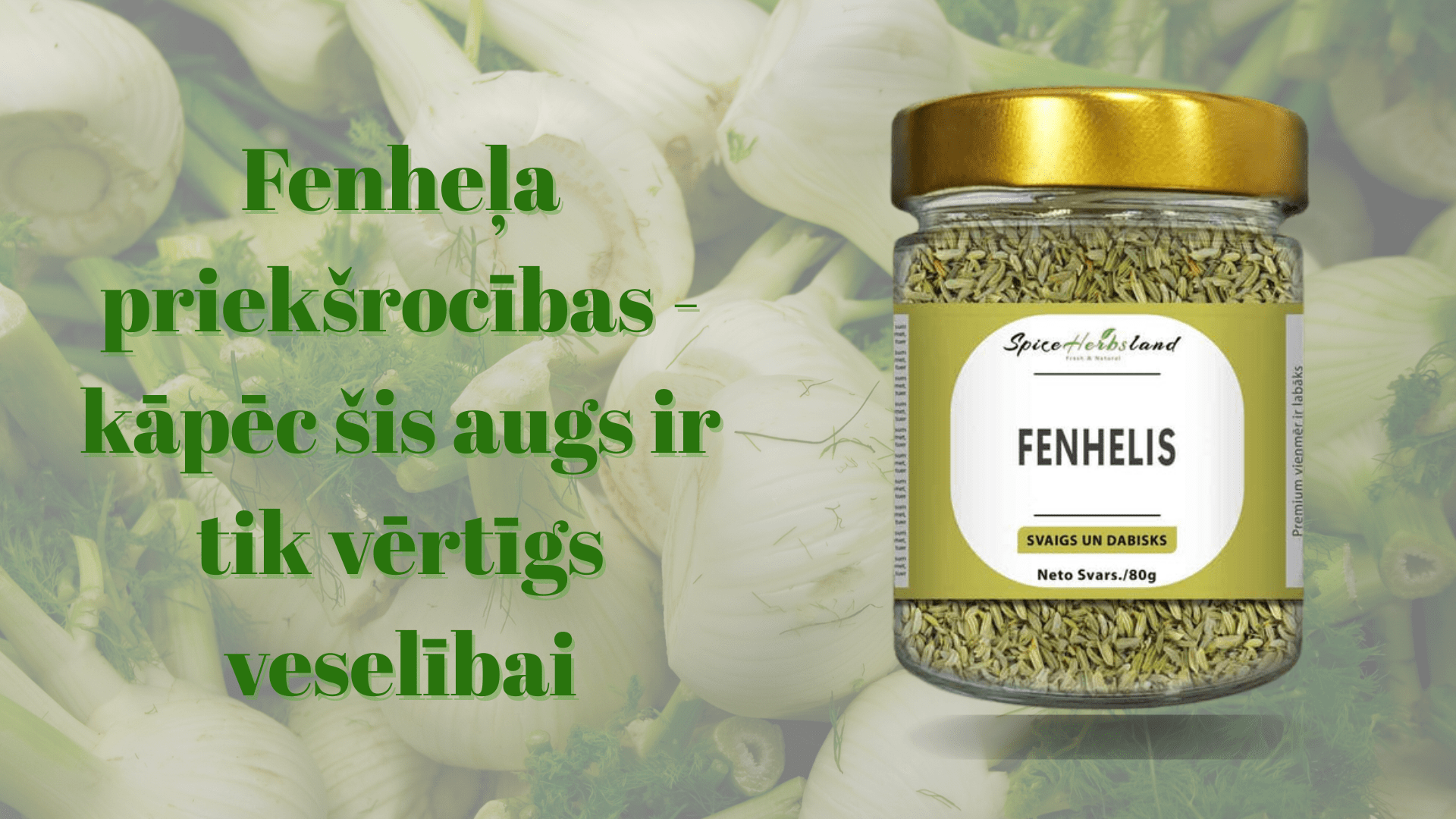
Benefits of Fennel - why this plant is so valuable for health
Fennel is not just an aromatic spice or a tea to drink after a hearty meal. It is a plant with wide-ranging uses and surprisingly versatile effects on the body. For centuries, fennel has been used as a natural aid for digestion, abdominal comfort, and daily well-being, especially when bloating or a feeling of heaviness occurs.
Today, more and more people are choosing plant-based solutions, and the benefits of fennel stand out particularly brightly here. Fennel seeds, tea, powder, and oil are valued for their gentle yet effective action on the digestive system, as well as for their ability to support overall well-being in everyday life.
Spice Herbs Land offers high-quality fennel, fennel powder, and sweet fennel oil for those seeking natural, tested products for daily use. In this article, we will look at why fennel is so valuable for health, what its main benefits are, and how to use it correctly to gain maximum benefit in a natural and balanced way.
1. What is fennel and why has it been used for centuries

Fennel is an aromatic, herbaceous plant known for its mild, slightly sweet taste and beneficial effects on the body. It belongs to the carrot family and has long been valued as a natural remedy for digestion, abdominal comfort, and general well-being. The benefits of fennel make this plant an integral part of both traditional and modern healthy eating.
In everyday life, fennel is used in various ways - as a fresh or dried herb, fennel seeds, fennel tea, and also in more concentrated forms. Most often, people choose fennel tea or seeds because they are easy to use and particularly suitable for supporting the digestive system, reducing bloating, and improving stomach function.
The use of fennel is rooted in European and Mediterranean traditions, where it has been used for centuries both in the kitchen and in natural health practices. In these regions, fennel was considered a plant that helps maintain balance in the body and promotes well-being after eating. This long experience is one of the reasons why fennel is still highly valued today.
2. Main health benefits of fennel

The benefits of fennel are wide and varied, which is why this plant is highly valued both in daily diet and in promoting natural well-being. Fennel acts gently but purposefully, supporting several body systems at once.
2.1 Fennel for digestion and abdominal comfort
One of the best-known benefits of fennel is its positive effect on digestion. Fennel helps reduce bloating, decreases gas formation, and alleviates a feeling of heaviness after eating. This is why fennel tea or fennel seeds are often consumed after meals to support stomach and intestinal function. Regular, balanced use can promote a smoother digestive process and greater daily comfort.
2.2 The effect of fennel on the immune system and inflammation
Fennel is also valuable for health thanks to its natural antioxidants, which help protect cells from oxidative stress. These substances support the body's natural defenses and can help reduce inflammatory processes. The effect of fennel here is gentle but significant in the long term, especially for people who want to strengthen their immune system with plant-based remedies.
2.3 Fennel for heart health and cholesterol balance
The fiber and minerals in fennel contribute to maintaining heart health. Fiber helps maintain normal cholesterol levels, while minerals support blood circulation and overall heart function. Fennel can be a useful addition to a balanced diet for those who pay attention to cardiovascular health.
2.4 Fennel for weight control and satiety
Fennel is valued for weight control because it can help regulate appetite and promote a feeling of satiety. Fennel tea is often consumed between meals to reduce the desire for unnecessary snacks. At the same time, fennel supports metabolism and digestion, which are important factors in maintaining a balanced body weight in the long term.
3. Fennel tea - benefits and daily use
Fennel tea is one of the most popular and easiest ways to utilize the benefits of fennel daily. It is mild, pleasantly flavored, and suitable for regular use, especially for those who want to naturally support digestion, reduce bloating, and improve abdominal comfort. Fennel tea is also highly valued because it acts gently and does not cause a feeling of heaviness.
3.1 When and how to drink fennel tea
Most often, fennel tea is recommended after meals. At this time, it helps the stomach and intestines to cope more easily with food digestion, reduces gas formation, and abdominal discomfort. Many people also choose fennel tea in the evening, as it has a mild calming effect that can help relax after a long day. In the morning, fennel tea can be a good start to the day if you feel heavy or have slow digestion.
3.2 How often can you drink fennel tea
Fennel tea can usually be consumed 1-3 times a day, depending on individual needs and well-being. For daily use, it is advisable to maintain moderation and listen to your body. Long-term use is generally safe if fennel tea is consumed in reasonable amounts and as part of a balanced lifestyle. If in doubt or with specific health conditions, it is always recommended to consult a specialist.
4. Fennel seeds - how to use them correctly

Fennel seeds are a simple and effective way to use the benefits of fennel daily. Most often, they are chewed after eating to reduce bloating, decrease gas, and support digestion. This use also helps to freshen breath and improve abdominal comfort.
Tea from fennel seeds is prepared by lightly crushing them and pouring hot water over them. This fennel tea is especially suitable for supporting the digestive system and improving stomach function.
Fennel seeds can also be added to dishes, especially soups, stews, and bread. They add flavor and at the same time provide health benefits.
5. Benefits of sweet fennel oil

Sweet fennel oil is a concentrated form of fennel, extracted from fennel seeds. It is used for digestive comfort, especially in cases of heaviness, bloating, and slow digestion. Used in small amounts, it supports stomach and intestinal function.
Fennel oil also helps relieve cramps and promotes well-being after eating. Its action is gentle, so it is often used in aromatherapy or for external use together with a base oil.
In addition to fennel oil, peppermint oil is also often used. It is known for its refreshing aroma, calming effect, and ability to improve abdominal comfort. Both oils complement each other well both in aromatherapy and for daily well-being.
6. Fennel for women - hormonal balance and well-being
Fennel is valued by women as a gentle, plant-based support for hormonal well-being. During menstruation, fennel tea or seeds can help reduce abdominal discomfort and cramping, as well as promote a calmer mood. This is why fennel is often chosen as a natural supplement for daily life during this period.
During menopause, the benefits of fennel are associated with its mild calming effect and ability to support the body's balance. Many women appreciate fennel as part of a healthy lifestyle that helps them better cope with daily fluctuations and discomfort.
During breastfeeding, fennel is traditionally used in moderate amounts, most often in the form of tea. It is important to maintain balance and not overdo it, choosing fennel as a gentle, natural support for women's well-being.
7. Fennel safety and possible side effects
Fennel is generally considered a safe herb for daily use when consumed in reasonable amounts. However, as with any herbal remedy, it is important to exercise moderation and consider individual body characteristics. Correct use helps reap the benefits of fennel without unnecessary risk.
7.1 Who should be careful
During pregnancy, fennel should be used cautiously and in small amounts, most often in the form of tea. For children, fennel tea may be suitable, but it should be weak and used in limited quantities. In cases of long-term and excessive use of fennel, especially concentrated forms, it is advisable to take breaks and monitor your well-being.
7.2 Can fennel be used every day
Fennel can be used every day if done gently and balanced. Daily use in moderate amounts is usually well-tolerated and can be part of a healthy lifestyle. The main thing is not to overdo it and choose the most suitable method of use for yourself.
8. Fennel compared to other similar plants

Fennel is often compared to other aromatic herbs, especially anise and caraway. Although the taste and aroma of these plants may seem similar, their effect on the body and daily use differ. Understanding these differences makes it easier to choose the most suitable herb for your needs.
-
Fennel vs. anise: Both plants are used for digestion and abdominal comfort, but fennel generally acts more gently. Fennel tea is often chosen for daily use, while anise has a stronger flavor and is more suitable for short-term discomfort.
-
Fennel vs. caraway: Caraway is stronger and more intense, especially for reducing gas after hearty meals. Fennel, on the other hand, is gentler and suitable for regular use, even for a more sensitive digestive system.
When to choose which. Fennel is recommended for daily comfort and long-term use, while anise or caraway are for situations requiring a stronger and faster effect.
9. In conclusion
The benefits of fennel make this herb a valuable addition to your daily diet - from digestion and abdominal comfort to a calmer sense of well-being and natural balance in the body. Fennel is most useful for people seeking gentle, plant-based support for daily comfort.
By choosing quality products, such as fennel seeds, fennel powder, or sweet fennel oil from Spice Herbs Land, fennel is easy to incorporate into your daily life in a natural and thoughtful way.


